
A closed-loop quality system is crucial to consistently produce high-quality parts and demonstrates that commitment. Learn more.

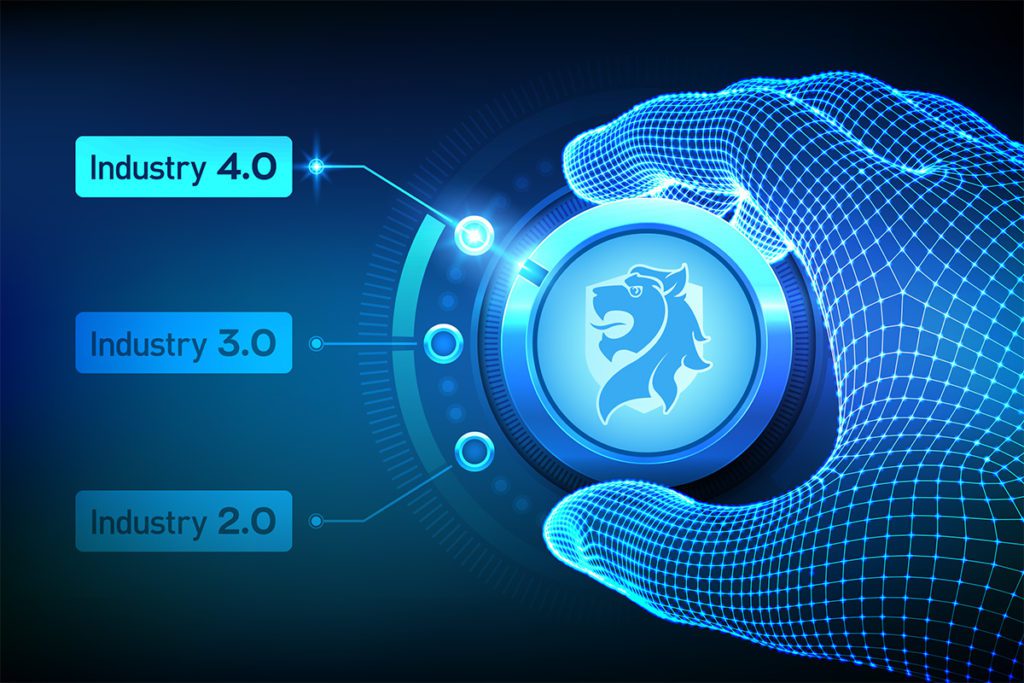
While industry 4.0 is not something tangible you can hold in your hand, the ideas and goals behind the paradigm are an important reality of the competitive manufacturing landscape now and going forward. The concept is simple: collect data, analyze the data, and use the analysis results in an automated fashion make decisions more effectively that we can using traditional methods.
The implication of this simple statement is that as we progress on our technology and automation journey, our systems will become more and more autonomous. While process related assets may be the first to come to mind when considering Industry 4.0, a holistic approach encompasses all parts of the organization to include enterprise software systems, supply chain, and human capital.
While Noble cannot yet claim 100% autonomy in manufacturing, we can say that this long-term goal is a driver in all design, capital, and organizational decisions made for both our molding and automation business segments. We believe these efforts afford both Noble and its customers a significant competitive advantage.
Stay tuned and check back often as we share some of the challenges and successes we have experienced on this journey.
Noble Plastics has over 15 years of experience as an ITAR-registered supplier to Department of Defense Prime contractors.
Remove The Mystery From Manufacturing
Connect with our team to start plotting your production future.
INDUSTRY 4.0 N-SIGHTS™
LATEST AUTOMATION ARTICLES
A Scientific Approach to Product Onboarding
Noble Plastics takes a scientific approach to new product onboarding to remove uncertainty and ensure consistent quality. Learn more.
A Systems Engineering Approach to Plastic Injection Molding
Our thorough and methodical approach to product realization and delivery ensures we capture all performance requirements, implement methods for achieving them, and can prove we have met them.